
the next and most necessary thing.
I love setting goals, making lists, and crossing off to-dos.
But often, my lists grow so fast I can’t keep up. That’s when I set out to find the latest and greatest task management tool from the app store. I download my new system, spend hours configuring it, and get back to work, comforted by the hope that this is the one that will guarantee nothing gets left undone.
When December 2021 rolled around, that’s exactly what happened. I was underwater. I reached for a new app. After setting it up, I deleted the old one. I was sure I had migrated my 1,000+ tasks from the old system to the new system. I was wrong.
In my consulting practice, I preach to clients the importance of backing up important data. I didn’t take my own advice, so I was grieving the disappearance of 1,000+ tasks I had painstakingly recorded – and often rescheduled as due dates approached and passed. There was a pit in my stomach full of fear I wouldn’t be able to recreate the list. Fear that I might break a promise I had made to myself or to someone else. It was at this moment I picked up a copy of Four Thousand Weeks: Time Management for Mortals by Oliver Burkeman. Instead of a new task management system, I came away with a whole new outlook.
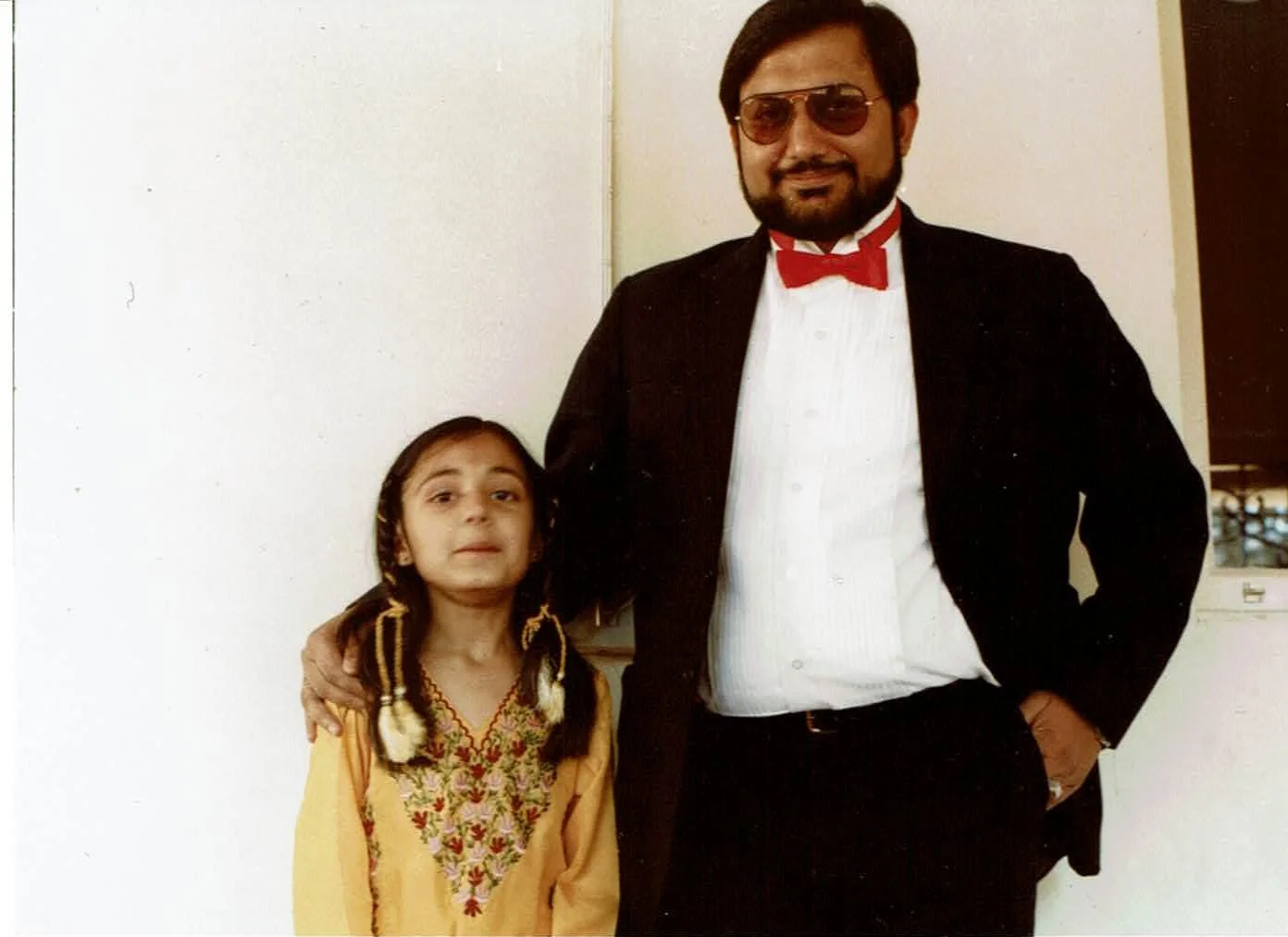
Four Thousand Weeks is not self-help packaged as time management, but more a philosophical approach to life. The average human lifespan, currently, is 4,000 weeks. It got me thinking a lot about my favorite uncle, Yogi Mama, who died suddenly at 47. He built an enduring company and legacy of love and service in his 2,444 weeks. Yogi Mama serves as a reminder that while these 4,000 weeks are finite, they are not guaranteed.
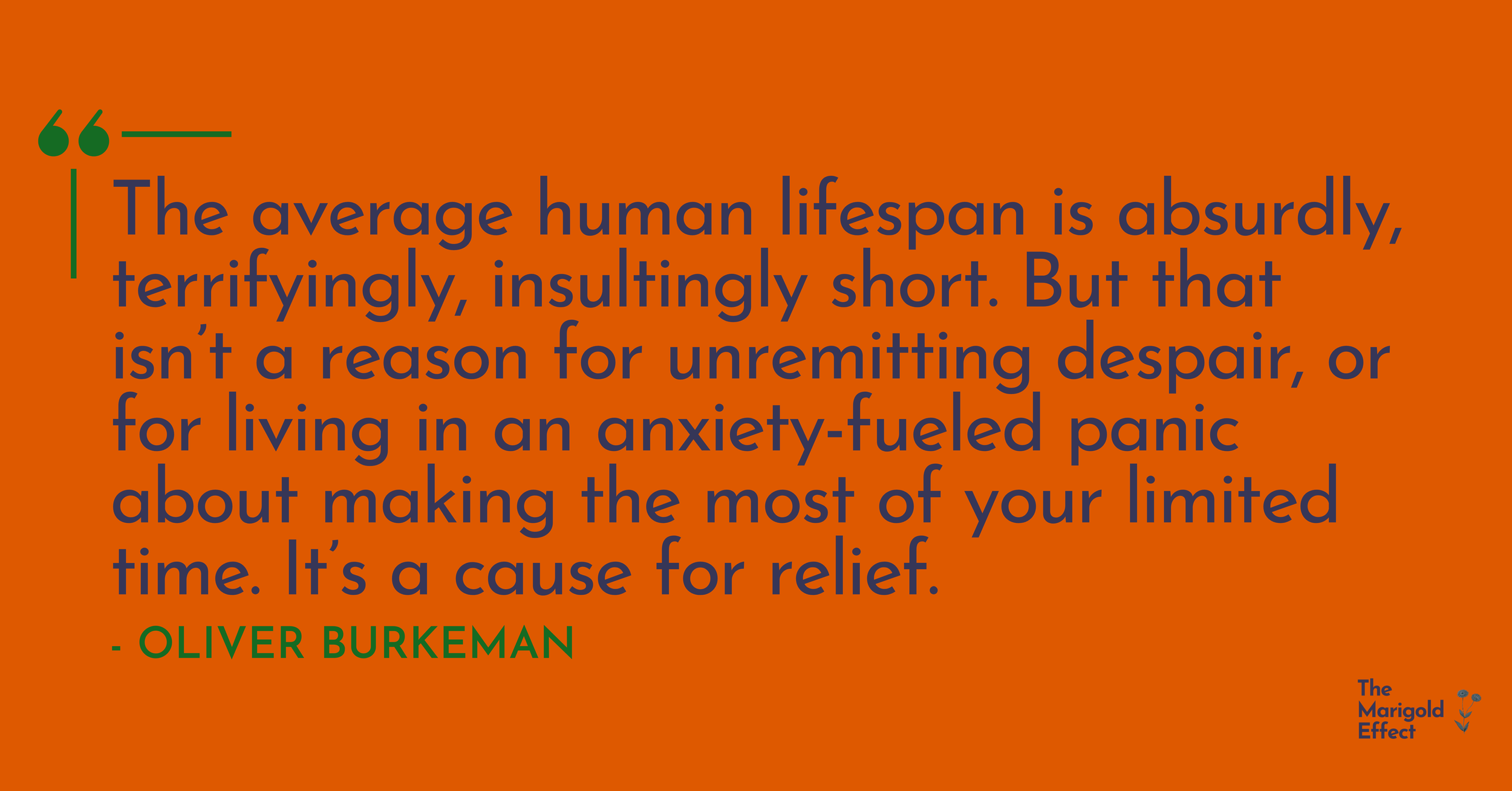
Turns out my task list system wasn’t helping me get things done, but rather telling me I was not good at time management. It took a few sleepless nights to trust that the missing to-dos would not unravel my world. It took several more sleepless nights to realize that everything I really needed to get done was already and always known to me.
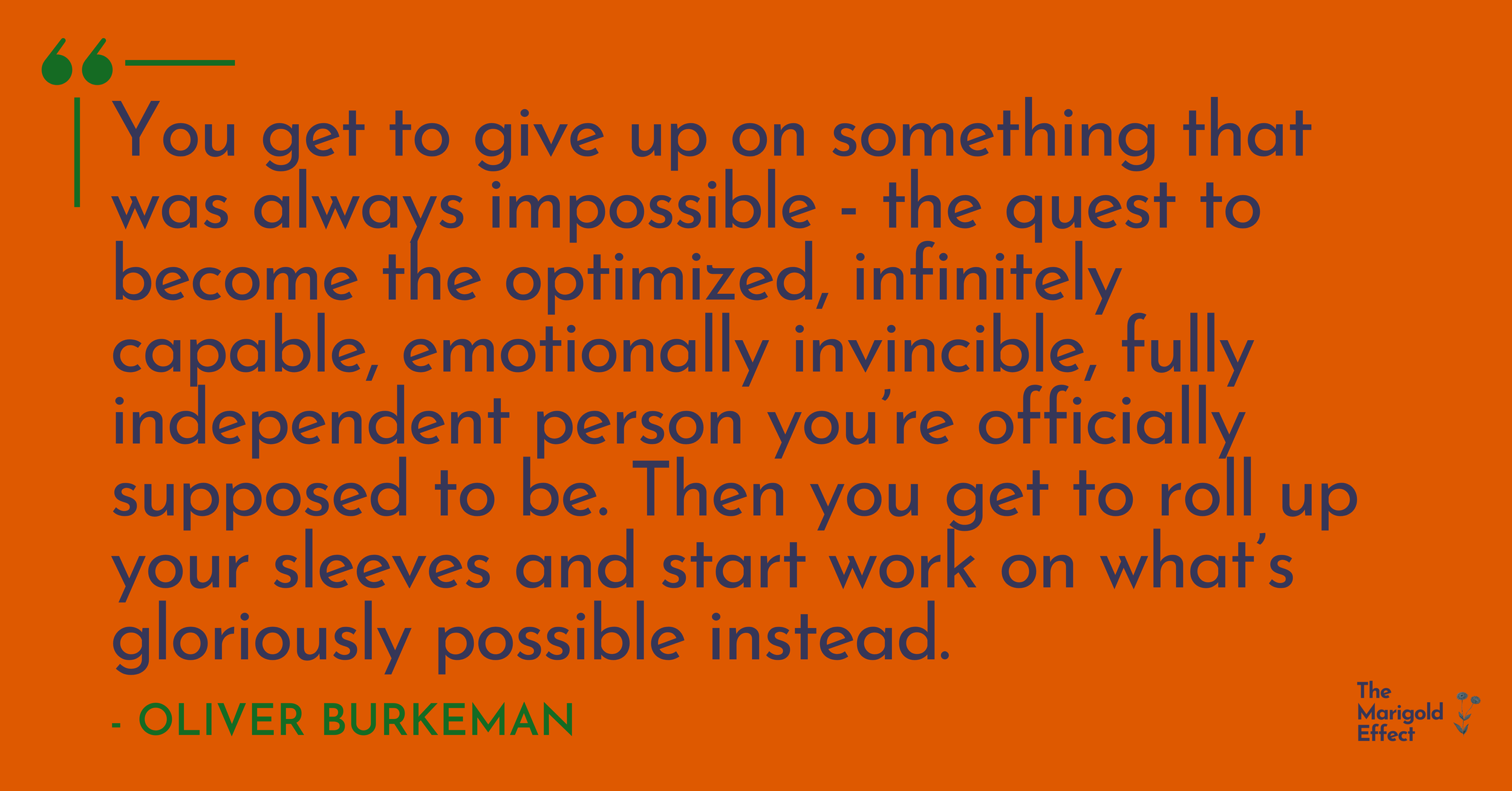
January 2023 is around the corner. I revisit the book’s closing advice from psychiatrist Carl Jung to “quietly do the next and most necessary thing.” The next and most necessary thing for me is no longer inbox zero. Something will always interrupt that peace (did your Black Friday spam start showing up extra early this year)?
I can make more time for email, or I can make more time for what matters. Isn’t that freeing?
Four Thousand Weeks leaves me with a liberating message that the next and most necessary thing is really all any of us can aspire to do at any moment. And because it is all you can do, Burkeman reminds us it is all you “ever have to do.”
Hope you and your loved ones have a holiday season full of joy, rest, and dreaming up what’s gloriously possible for 2023.
-Pooja Mehta
