
what if we embraced cross-pollination?
During a recent visit to a lavender farm, I was captivated by the diligent work of pollinator bees darting from flower to flower. Cross-pollination - the transfer of pollen between different plants of the same species - yields many benefits such as increased genetic diversity, higher crop yields, and improved adaptability to environmental stresses.
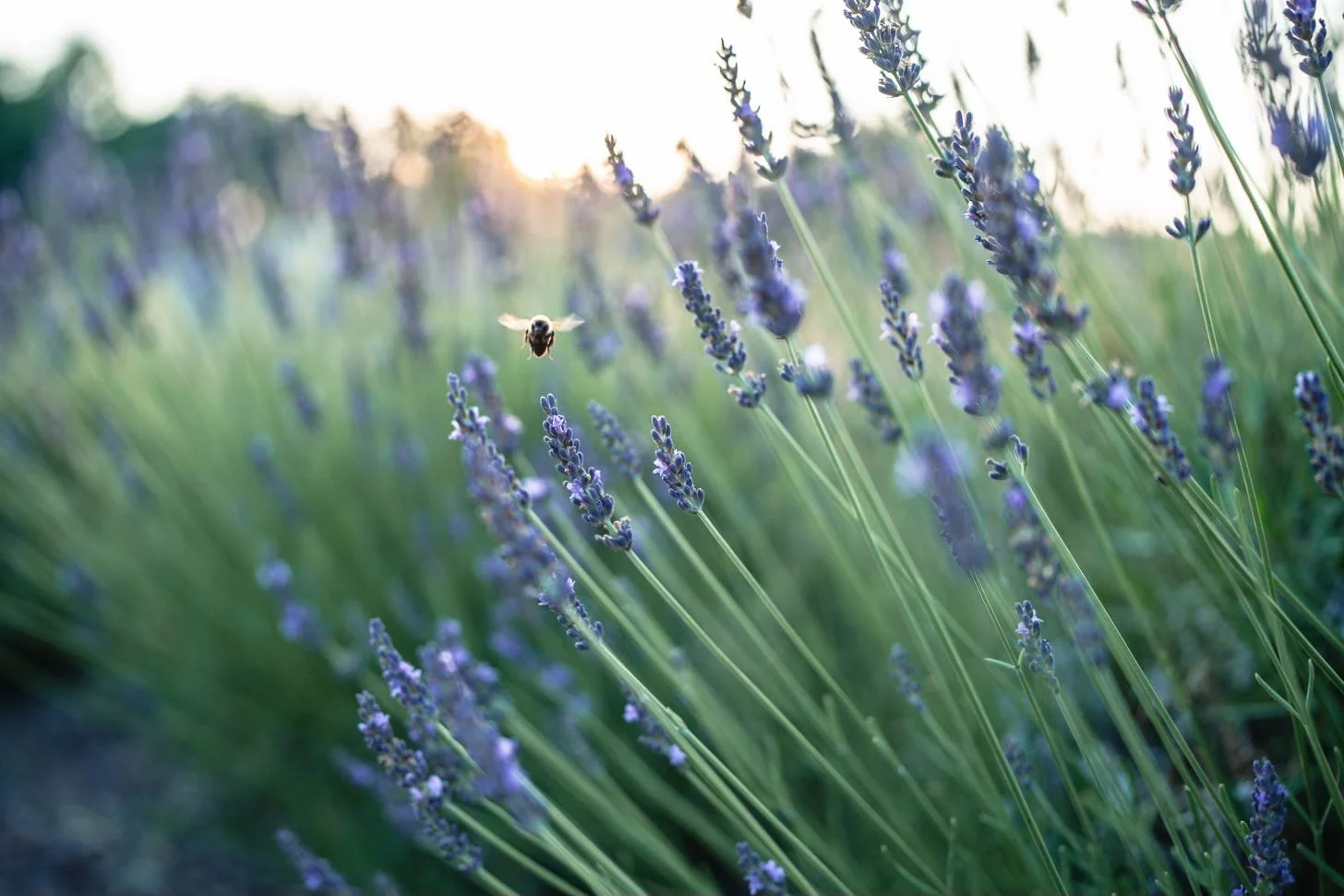
bee + purple lavender flowers
As essential as cross-pollination is to the natural world, the principles behind it can inspire action in our personal and professional lives.
What if we took a class outside our comfort zone, organized a lunch with co-workers from different departments to exchange ideas, or collaborated with an organization that shares our values to pool resources and create shared success?
What if we embraced cross-pollination?
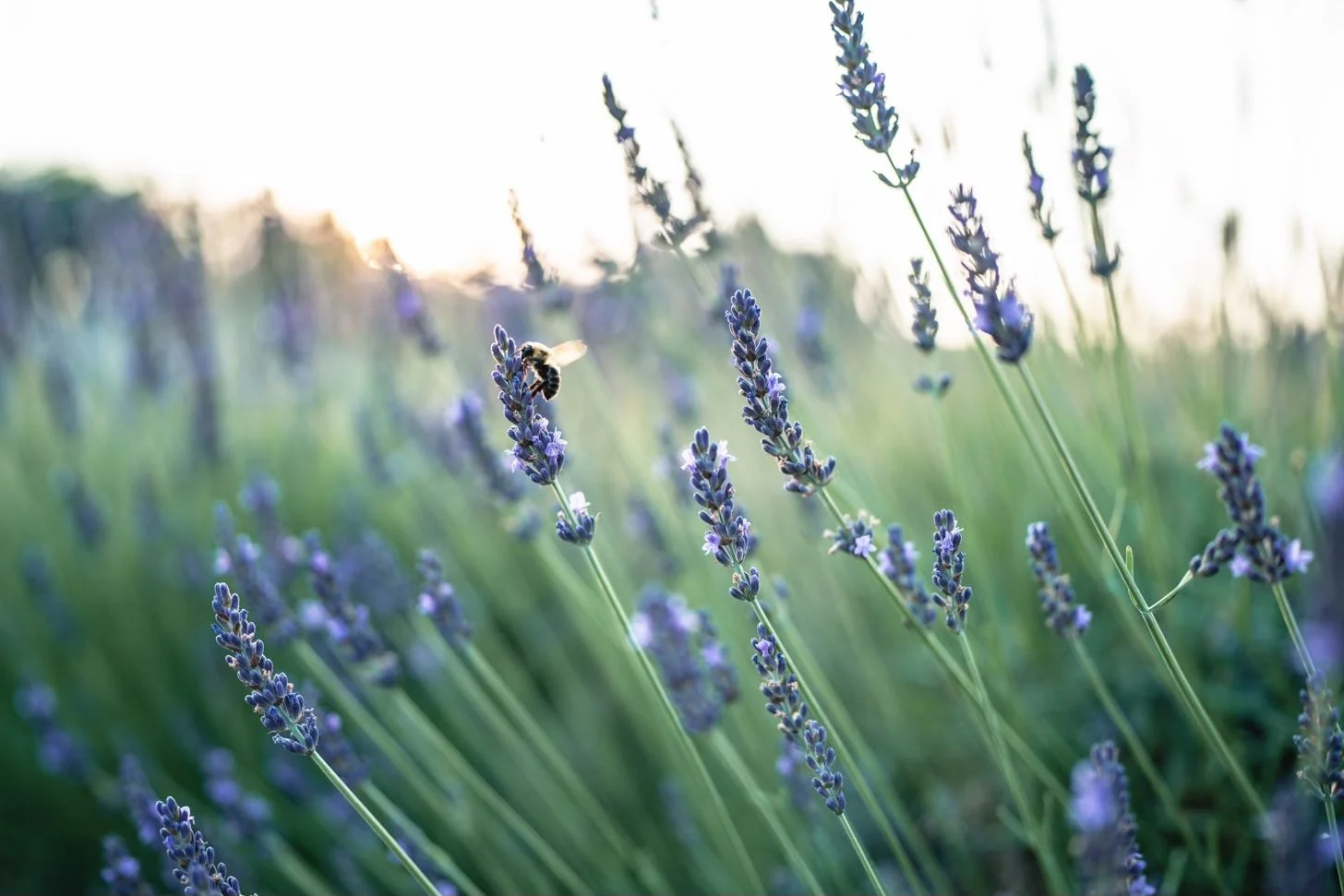
bee pollinating lavender flowers
Supporting Pollinators During Pollinator Week
While we take inspiration from pollinators, we can help protect them. These essential creatures face significant challenges, including habitat loss, climate change, and pesticide use. The decline in their populations impacts their survival and has repercussions for us, as one in three foods and around 75% of flowering plants rely on pollination. If we let bees and butterflies disappear, we are putting our survival at risk too.
Here are some ways we can support pollinators:
Plant native flowers, convert lawns to native meadows, and use pots and window boxes in smaller spaces.
Opt for organic pest control methods; avoid broadcast pesticide sprays.
Buy local honey to support beekeepers in your area.
Tell local officials to plant natives in public spaces and provide incentives for residents.
Share your knowledge with others.
-Pooja Mehta
